Urinary trouble in dogs and cats often builds from small signals: smaller urine clumps, frequent urination, licking the private area. Rather than wait for stones or inflammation, put daily care up front.
1. First action: enough water
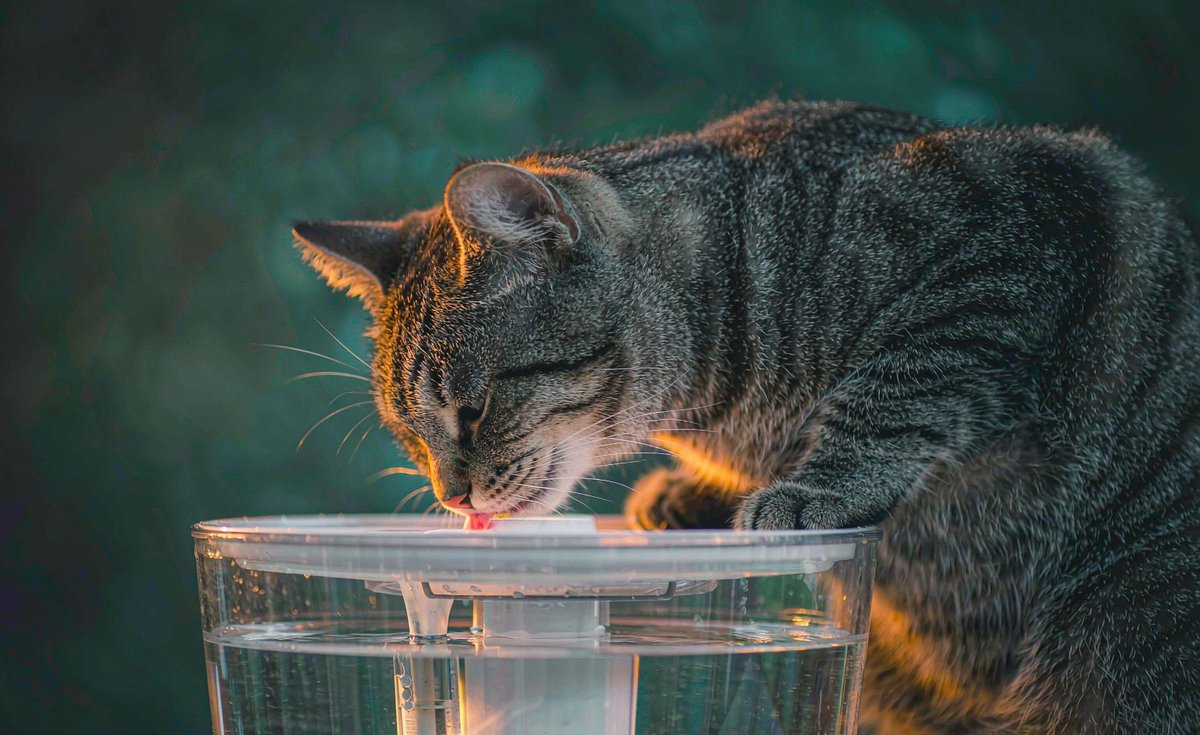
Ample water dilutes urine and increases urination frequency—the simplest and most effective support for the urinary system. Wet food, a flowing water fountain, and extra bowls are common ways to get them drinking more.
2. Second action: diet management
Control excess minerals, maintain ideal weight, avoid long-term single high-salt diets—these are the basics of urinary care. Specific formulas follow the pet's constitution and vet advice.
3. Third action: herbal support "diuresis"
Herbs like Plantain herb and Knotgrass are traditionally used in pet nutrition to promote diuresis and support the urinary system from within. Take PACKAR Urinary Care Tablets: 12 herbal extracts including Plantain and Knotgrass; herbal diuresis with scientific blending; no wheat bran or artificial colors, 5 free-from additives; for dogs and cats, suited to daily urinary tract care.
For the product: Urinary Care Tablets for daily urinary care; how much follows packaging. Ingredient notes in Ingredient Encyclopedia.
Commonly asked questions
Q: Can herbal support "dissolve" stones?
A: No. They are daily nutritional support, not a substitute for veterinary care; blood in urine, difficulty urinating, frequent litter visits with little output—emergency, see a vet immediately.
Q: Are male cats a bigger concern?
A: Male cats have narrow urethras and clog more easily—a key group; but regardless of sex, enough water and regular check-ups matter.
Q: Can it be used with other drugs?
A: For any under treatment, clear any nutritional supplement with the vet first to avoid interaction.
Reminder: this is nutritional science, not a claim about any specific product, and not a substitute for veterinary care; emergency signals like blood in urine or difficulty urinating—see a vet immediately.